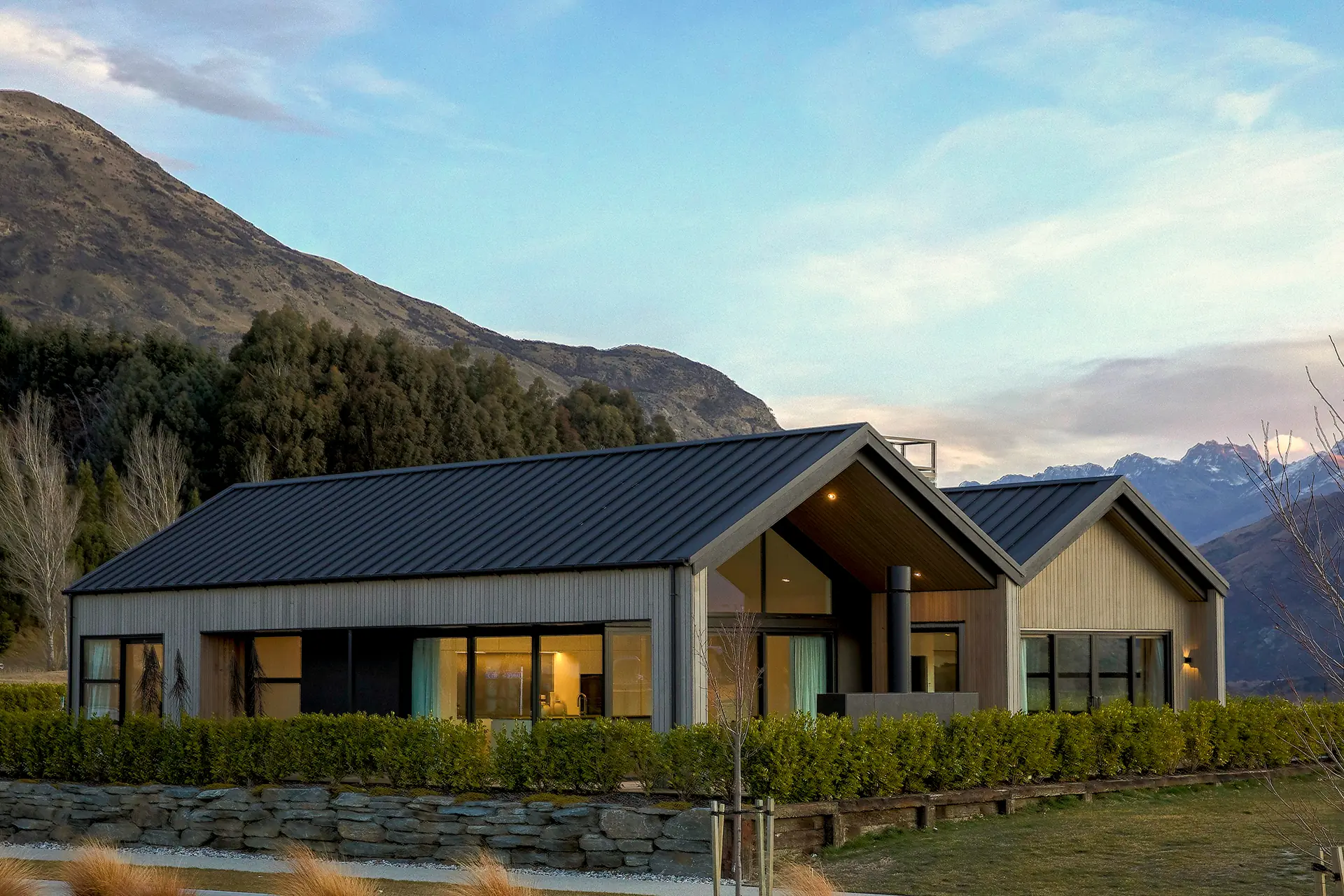
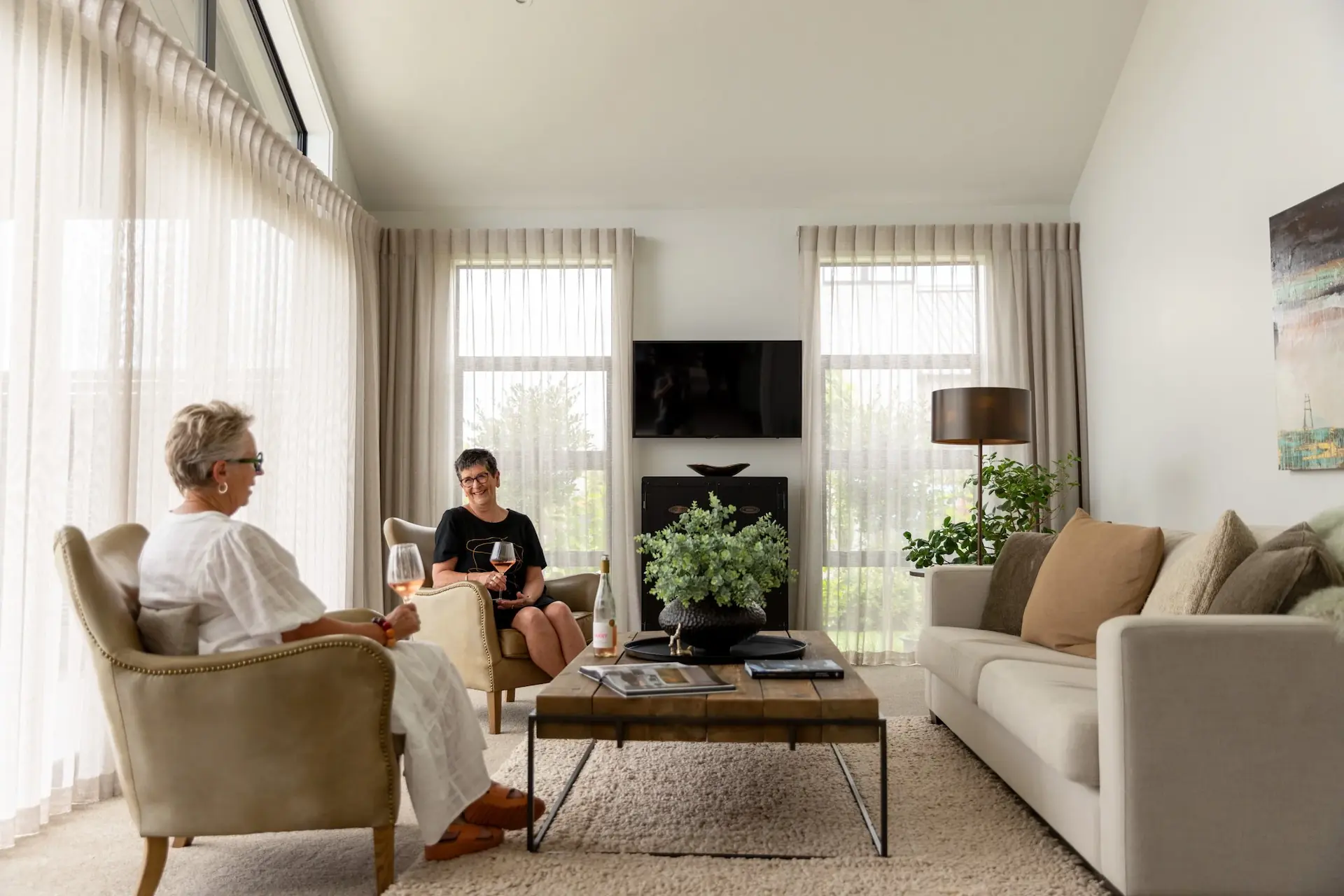
Moving to a Retirement Village in NZ: What to Look For Before You Sign
You've raised the kids in this house. You know which stair creaks and which window sticks. And lately you've been wondering whether it's time for something that asks a little less of you — and gives back a lot more.
Moving to a retirement village is one of the biggest decisions you'll make in later life. Get it right and you free up your weekends, your worries and your capital. Get it wrong and you're locked into a contract that doesn't fit. Here's how to tell the difference before you sign anything.
Start with the life, not the building
Show homes are designed to impress. The real question is quieter: what will an ordinary Tuesday feel like here?
Walk the grounds at a normal hour. Are residents out and about, or is it silent? Talk to the people who already live there — they'll tell you in five minutes what a brochure never will. Notice whether the staff know residents by name. Warmth is hard to fake and impossible to renovate in later.
Match the care to your future, not just your present
You might be fully independent today. The value of a good village is that it plans for the years you can't yet see. Look for a genuine continuum of care — independent living, serviced apartments and rest home or hospital-level care on or near the same site — so that if your needs change, your address doesn't have to, and couples aren't forced apart.
Read the Occupation Right Agreement carefully
In New Zealand, most villages sell you the right to occupy a home rather than the freehold title. That's normal — but the details matter, and they vary from village to village. Before you commit, make sure you understand:
- The deferred management fee. How much of your original payment is retained by the village when you leave, and over how many years does it build up?
- Weekly fees. What's covered, and can they rise after you move in?
- Capital gain. Do you share in any increase in value, or does the operator keep it?
- Exit timing. How quickly are you repaid when you or your family leave?
Always have a lawyer who knows retirement village law review the agreement. It's a small cost against a very large decision.
Weigh the true cost against the true value
People often compare the entry price of a village to the market value of their home and stop there. That misses the point. Factor in what you'll no longer pay for: rates, building insurance, lawn mowing, gutter cleaning, the surprise plumbing bill. Then add the things that don't show up on a spreadsheet — security, company and the freedom to lock up and travel.
The questions worth asking on every visit
- Who owns and operates the village — and how long have they done it?
- What happens to my care, and my costs, if my health changes?
- What exactly am I paying each week, and what could change?
- Can I speak with residents without a salesperson present?
Why families choose Sanderson
For more than 35 years the Sanderson Group has designed, built and operated some of New Zealand's most desirable retirement villages — and we still run them with the care we'd want for our own family. We own and operate what we build, so the people who welcome you are the people accountable for your experience for years to come.
Explore our retirement villages and see the difference that owner-operated care makes.